


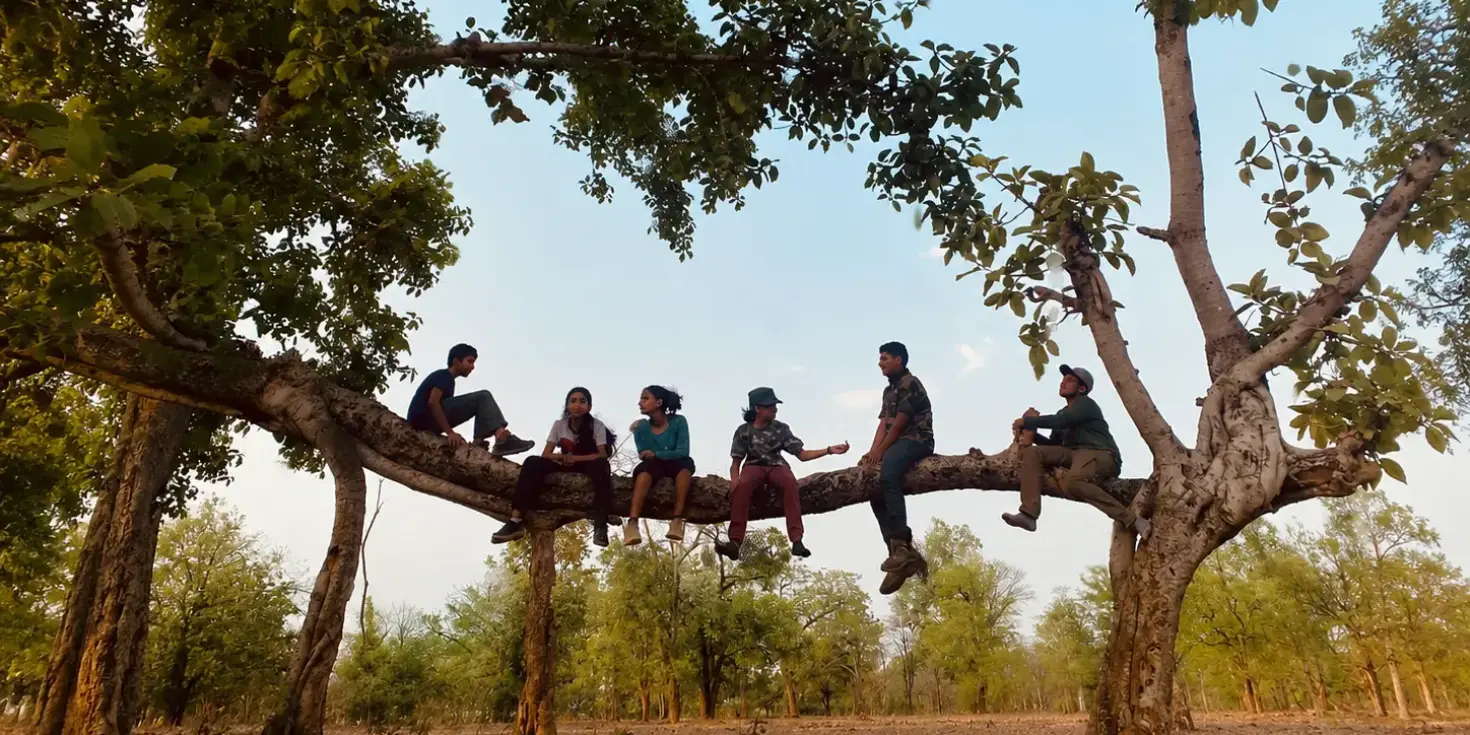
If you ask most students what they truly remember from their school years it’s rarely a chapter or a formula. It’s the moments those few days away, the unfamiliar paths, the shared laughter, the challenges that didn’t come with instructions. That’s because learning beyond classrooms isn’t just more engaging it’s more real.
For a long time, education has been associated with structure classrooms, textbooks and assessments. And while these play an important role in building a foundation they often leave little room for discovery. The world outside however, offers something far more dynamic. It invites students to observe to question and to experience learning as it naturally unfolds.
There’s a quiet shift that happens when students move from studying something to actually experiencing it. Concepts begin to make more sense not because they were explained better but because they were lived. A trail through the hills becomes more than just a walk it becomes an understanding of terrain, endurance and teamwork. A few days spent in a camp setting turns into a lesson in independence, adaptability and collaboration. These are not planned outcomes on a board but they stay with students far longer than most classroom sessions
What makes experiential learning so powerful is its ability to bring out qualities that often remain hidden in traditional settings. When students are placed in new environments they respond differently. They take initiative, communicate more openly and become more aware of their surroundings and their own capabilities. Confidence doesn’t come from being told what to do but from figuring things out along the way
There is also something incredibly grounding about learning in natural and immersive spaces. Away from routine students begin to notice details they would otherwise overlook. They become more present, more curious and more engaged. The learning here is not forced it happens through observation, interaction and reflection
This is where thoughtfully designed experiences like trekking journeys and immersive camps begin to play an important role. They are not just trips or activities but carefully created environments where learning feels effortless. Whether it’s navigating a trail working together to solve a challenge or simply sharing stories at the end of the day every moment contributes to growth in ways that are subtle yet significant
Another important aspect of stepping outside the classroom is the connection it builds not just with the environment but with people. Students learn to work as a team, to listen, to lead when needed and to support one another. These shared experiences create a sense of belonging and understanding that cannot be replicated in structured settings.
The idea is not to move away from classrooms but to extend learning beyond them. When students are given the opportunity to experience education in different ways, they begin to see its relevance more clearly. What they study starts to connect with what they see and do making learning more meaningful and memorable.
At its core, learning beyond classrooms is about giving students the space to explore, to make mistakes and to grow at their own pace. It’s about creating experiences that stay with them shaping not just what they know but who they become
Because in the end, the lessons that matter the most are rarely the ones written down. They are the ones lived, felt and carried forward long after the journey ends.